Which matcha grade for which recipe?
Using the wrong grade wastes money or compromises flavor. Ceremonial grade in a chocolate cake is pointless; its subtle umami disappears under cocoa. Culinary grade in a straight matcha shot tastes aggressively bitter. Match the grade to the application.
| Grade | Characteristics | Best applications |
|---|---|---|
| Ceremonial | Vivid green, smooth umami, minimal bitterness. First-harvest leaves. | Straight matcha, premium drinks, traditional preparation |
| Latte | Balanced body, holds flavor against milk and sweeteners. | Lattes, smoothies, iced drinks, shakes |
| Culinary | Robust flavor that persists through heat and mixing. | Baking, ice cream, confections, sauces |
For a detailed grade comparison with pricing and sourcing information, see our matcha tea import guide. For how to recognize quality matcha by color, aroma, and texture before tasting, see characteristics of good matcha.
Matcha drink recipes
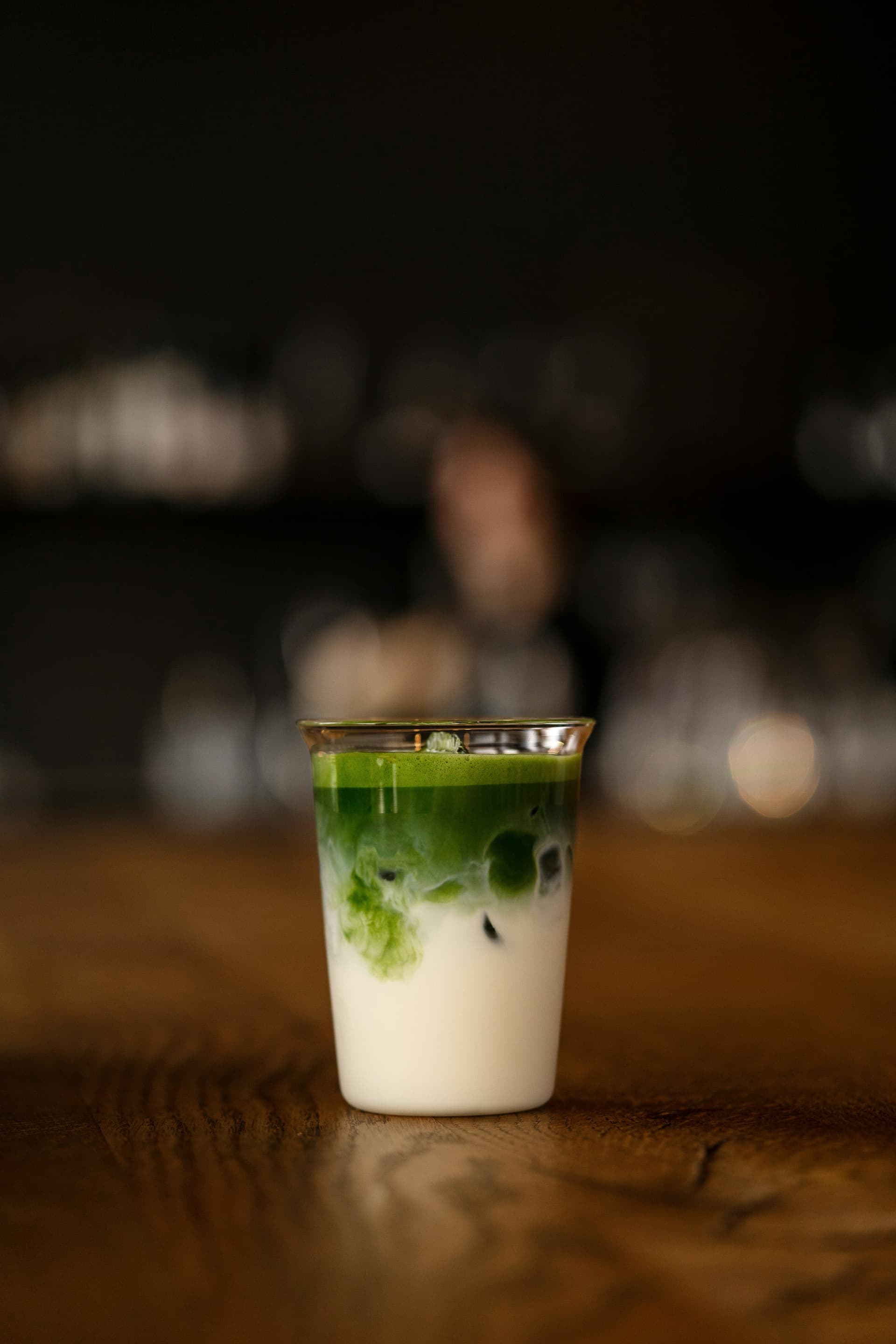
These are the core matcha drinks for cafe menus. Each uses premium latte grade matcha, which is designed to hold flavor against milk and sweeteners without the bitterness of culinary grade or the wasted subtlety of ceremonial.
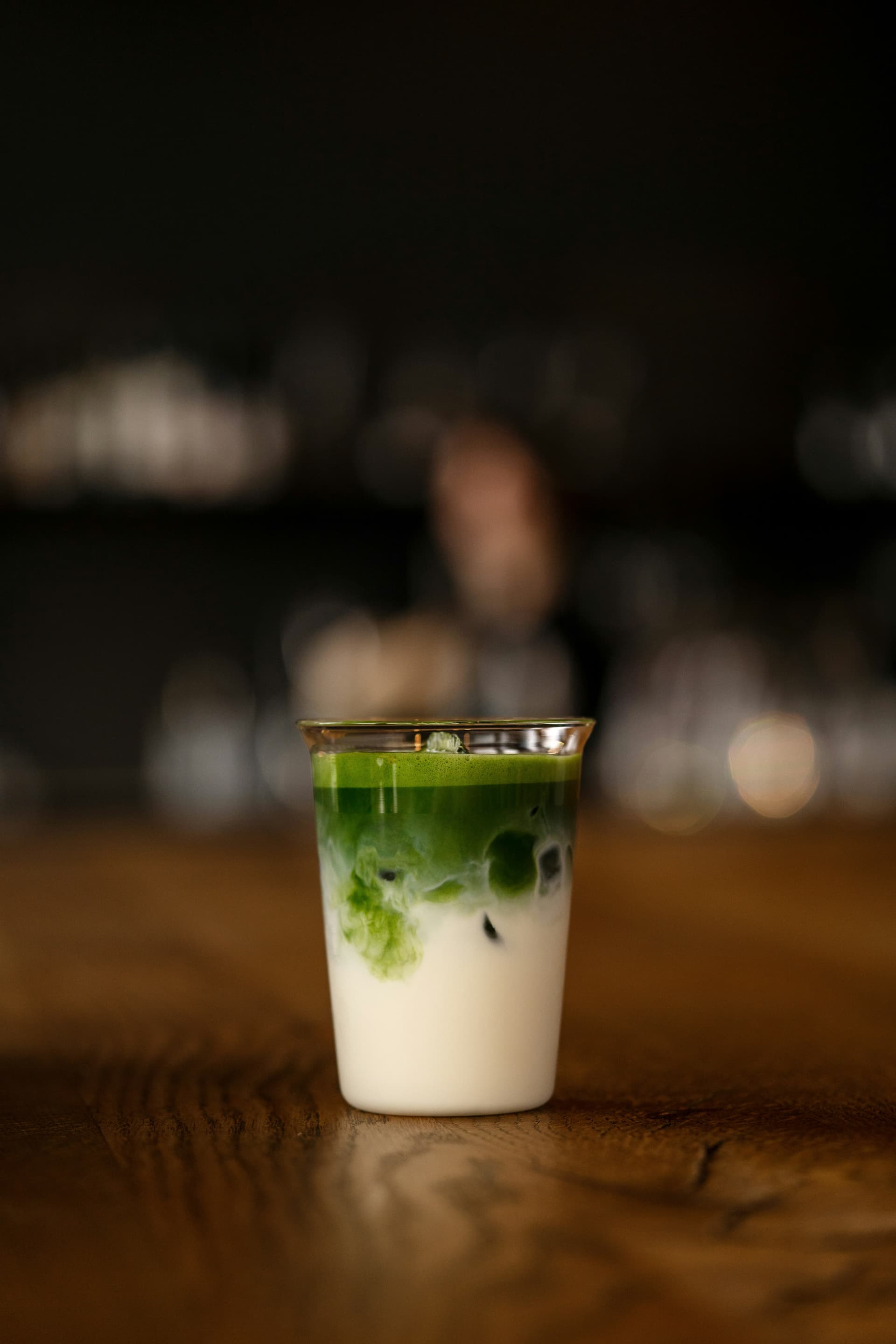
Matcha espresso fusion is an effective gateway product: pull an espresso shot directly into a matcha paste, then add steamed milk. It appeals to coffee drinkers curious about matcha and introduces them to your matcha menu.
Sparkling matcha: a summer menu opportunity
Matcha with sparkling water is fast to prepare, dairy-free by default, and highly photogenic. Make a paste with 2g matcha and 30ml cold water, add ice, then pour chilled sparkling water slowly down the glass for a layered visual effect. Optional simple syrup for sweetness. High margin, low complexity.
Hojicha recipes
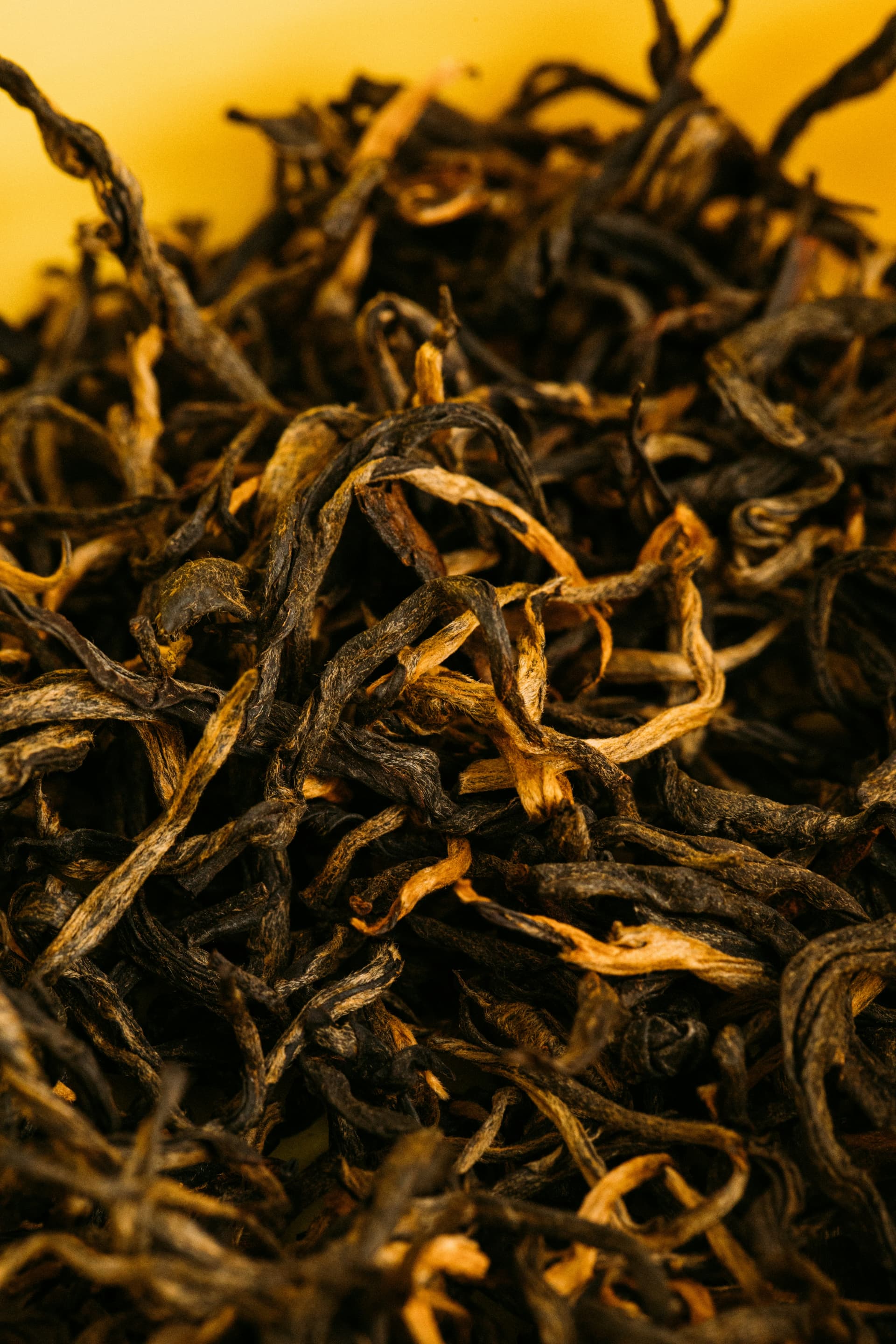
Hojicha is roasted Japanese green tea with a warm, toasty, caramel-like profile. Naturally lower in caffeine than matcha, it appeals to customers who want a Japanese tea experience without the grassiness. Hojicha lattes are one of the fastest-growing specialty drink categories.
Get matcha and hojicha samples for your menu
Test every grade in your recipes before committing. We ship samples of ceremonial, latte, culinary matcha, and hojicha powder.
Matcha food and dessert recipes
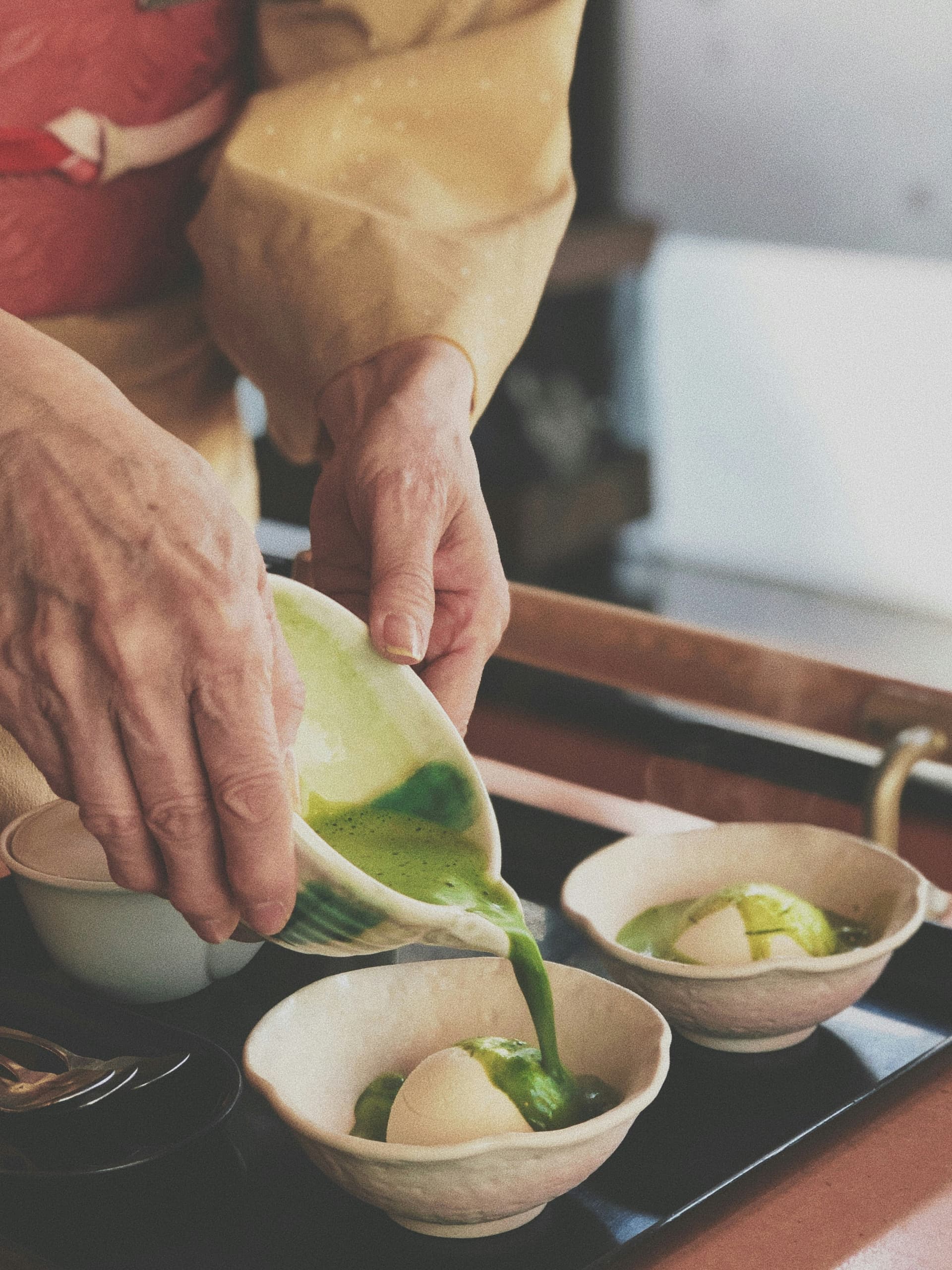
For baking and food applications, use culinary grade matcha. Its robust flavor persists through heat and mixing. Ceremonial grade is wasted in desserts because its delicate qualities disappear under sugar, butter, and cocoa.
Matcha financiers: a bakery workhorse
Matcha financiers (French almond cakes) deserve special mention for cafes. Brown butter, almond flour, and 8g culinary matcha per batch of 12. High margins, fast production, 3–4 day shelf life at room temperature. The almond-matcha-brown butter combination is distinctive and serves well in a pastry case alongside coffee.
Color preservation in baking
Some color loss is normal in high-heat baking. To minimize it: use culinary grade (more concentrated color), add matcha to batter as late as possible, bake at the lowest effective temperature, and avoid overbaking. For items where color is critical (macarons, chocolate bark), use no-bake or low-heat recipes.
Scaling matcha for commercial production

Moving from single-serve to batch production introduces variables that affect consistency. Here are typical usage rates for planning your supply:
| Application | Matcha per serving | Grade | Monthly usage (100 servings/day) |
|---|---|---|---|
| Matcha latte | 2–3g | Latte | 6–9 kg |
| Matcha smoothie | 3–4g | Latte | 9–12 kg |
| Matcha cake/pastry | 2–4% of dry weight | Culinary | Varies by volume |
| Matcha ice cream | 15–20g per liter of base | Culinary | Varies by volume |
| Hojicha latte | 3–4g | Hojicha | 9–12 kg |
Planning your first bulk order? Our matcha import guide includes a full cost breakdown for importing matcha, and our Japan sourcing guide covers how to find and vet suppliers.